Consultations · 2026
MANI 2026 — From Abidjan to everywhere.
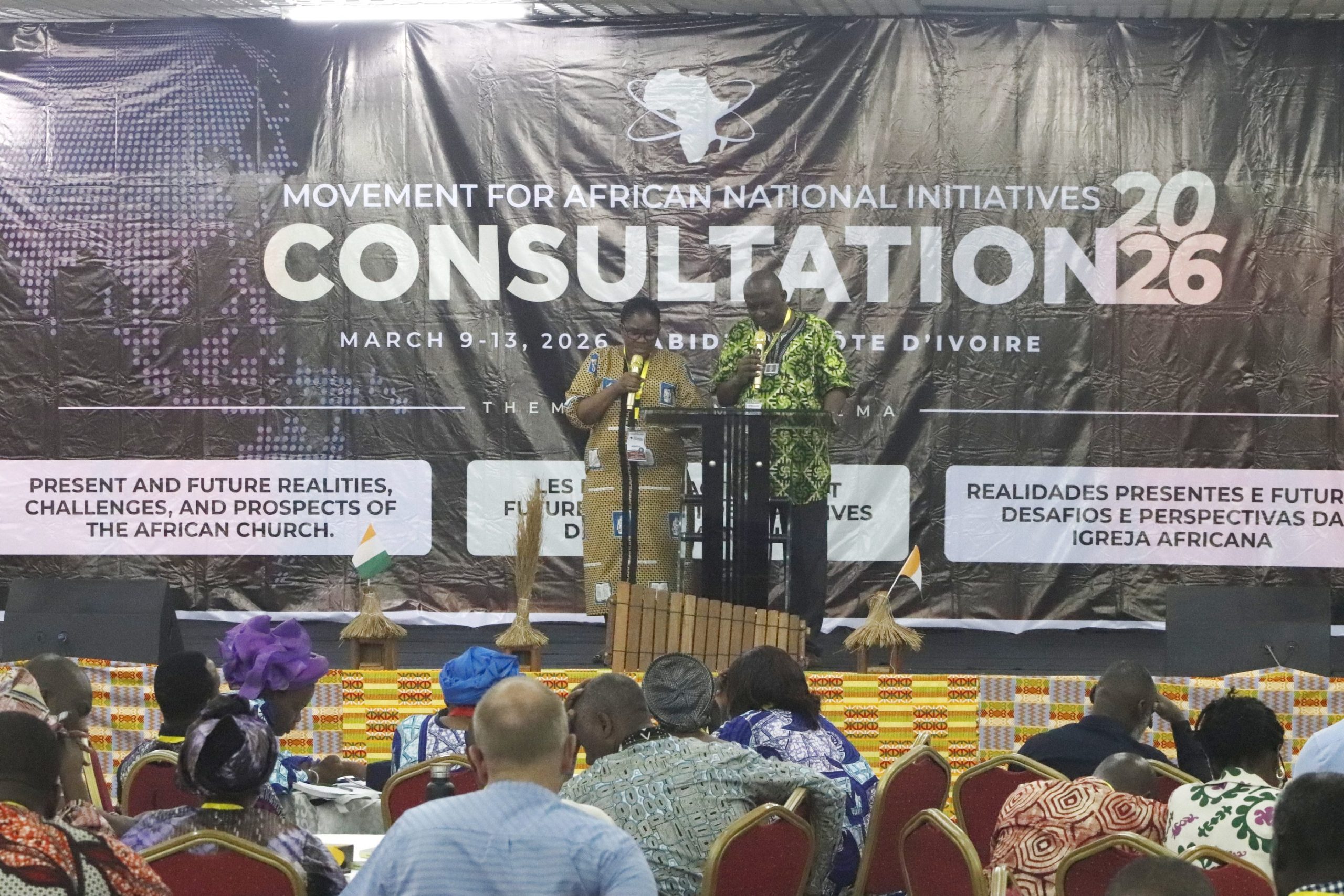
Present and Future Realities, Challenges and Prospects of the African Church · 9–13 March 2026
5th
quinquennial continental consultation
1st
in Francophone Africa
25
years since the Jerusalem Declaration
750M
Christians in Africa today
The Abidjan Declaration
“We have arrived at a kairos moment for the Church in Africa. Africa is now the continent with the largest Christian population… The centre of gravity of global Christianity has decisively moved southwards.”
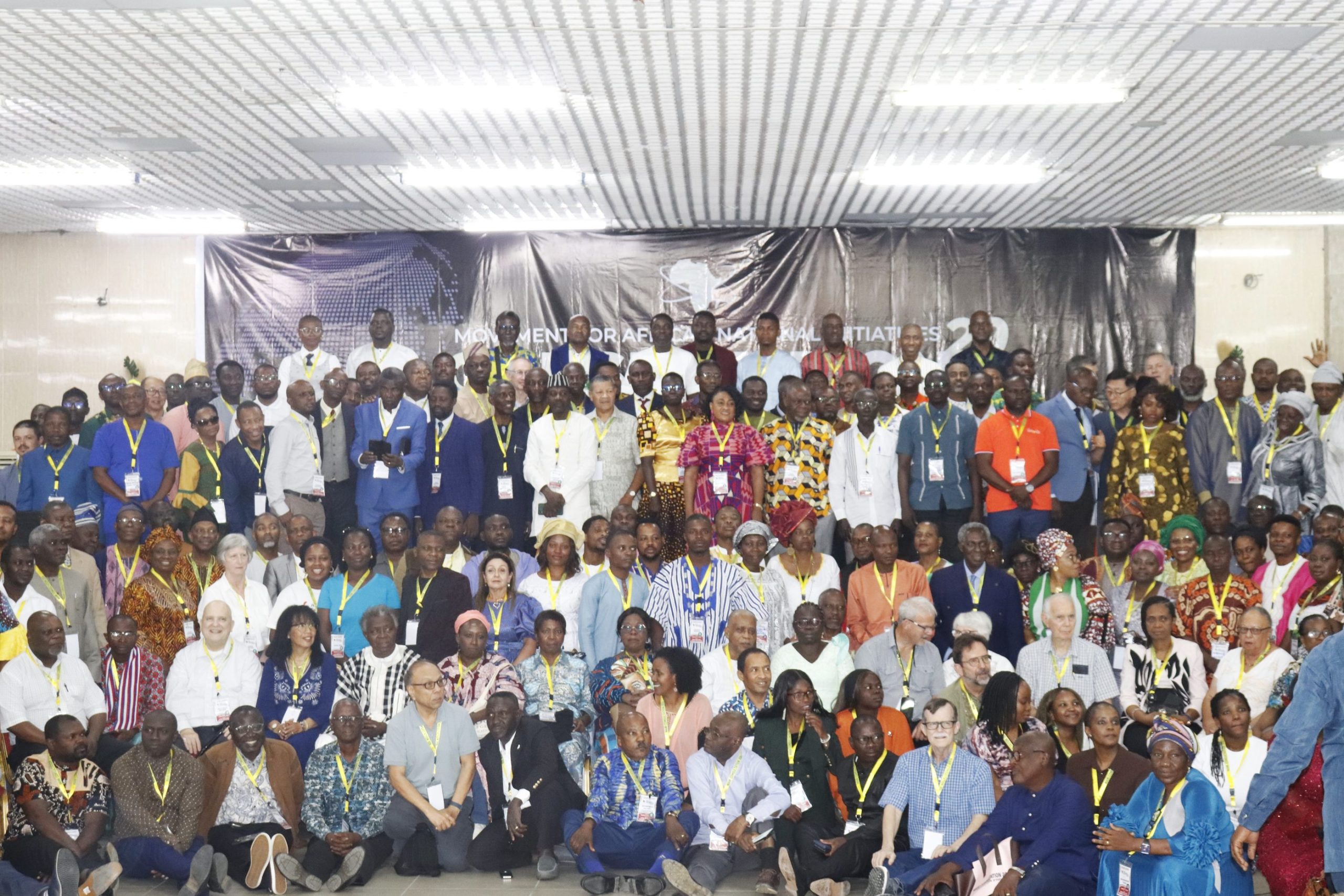
Delegates from churches, mission agencies, national initiatives and African diaspora networks — together with representatives of the Lausanne Movement, the World Evangelical Alliance and others — met in Abidjan on 9–13 March 2026. The consultation also marked the formal leadership transition from Rev. Dr. Reuben Ezemadu to Rev. Peter Oyugi.
Why Abidjan?
The choice was missional, not logistical. The Francophone Sahel — stretching from Senegal and Mauritania through Mali, Burkina Faso, Niger, Nigeria, Sudan, Eritrea, Cameroon and Chad — is one of the most concentrated mission frontiers on earth. Francophone believers carry a linguistic and cultural proximity to its peoples that no other part of the global church possesses. The consultation renews the call to Go North.
Four realities named
- Africa as a sending continent: sending hubs now operate in Lagos, Nairobi, Jos, Ibadan, Owerri, Addis Ababa, Yaoundé, Lomé, Abidjan and Johannesburg.
- The suffering Church: one in five African Christians faces persecution — received with theological clarity, not despair.
- Divine deployment: the diaspora is “not displacement but sovereign deployment”.
- Youth: more than half of Africa is under 25 — “a generation ready to go”.
Six strategic priorities
The agenda for the decade ahead
“These are not recommendations — they are our commitment to Kingdom advancement.”
01
Renewed vision & strategic leadership
MANI reaffirms its identity as a movement, not an organisation. The transition from Ezemadu to Oyugi signals maturity and continuity.
02
Missionary mobilisation & cross-cultural training
Africa develops its own sending structures and funds them from its own resources — including a coordinated Francophone missionary movement in the Sahel, evangelism through sport, medical missions, audio Bibles and digital platforms.
03
Church unity, collaboration & partnerships
Partnership is not generosity — it is a Kingdom necessity. Less duplication, shared research and bridging the Anglophone–Francophone gap structurally.
04
Persecution & political instability
Workers prepared contextually, theologically and missiologically for suffering; security-conscious deployment; prayer and credible advocacy.
05
Transformational discipleship & youth
Discipleship producing Great Commission disciples, direct confrontation of the prosperity gospel, and genuine inclusion of youth now.
06
Contextual challenges & opportunities
Unlearning the dependency syndrome; a communal culture of giving rooted in African extended-family logic — anchored in Revelation 7:9.
Moving together: seven next steps
- Every nation strengthens or establishes its National Mission Initiative as the indigenous engine for mobilising, training and sending missionaries.
- The Church in Africa builds a communal culture of giving for missions rather than depending on external donors.
- African women are at the forefront of mission mobilisation and leadership.
- Older leaders open genuine leadership pathways for younger leaders now, passing the baton with intentionality.
- The Francophone church steps into its strategic position on the doorstep of the Sahel.
- Every participating church identifies and adopts an Unreached People Group — to give generously, pray persistently and send sacrificially.
- The African Christian Mission Authors (ACMA) initiative tells the African mission story in African voices.
“From Abidjan to Everywhere — Until Jesus Comes.”
“Africa is not coming to compete, but to complement and collaborate with the global Church for Kingdom advancement.”
Gallery
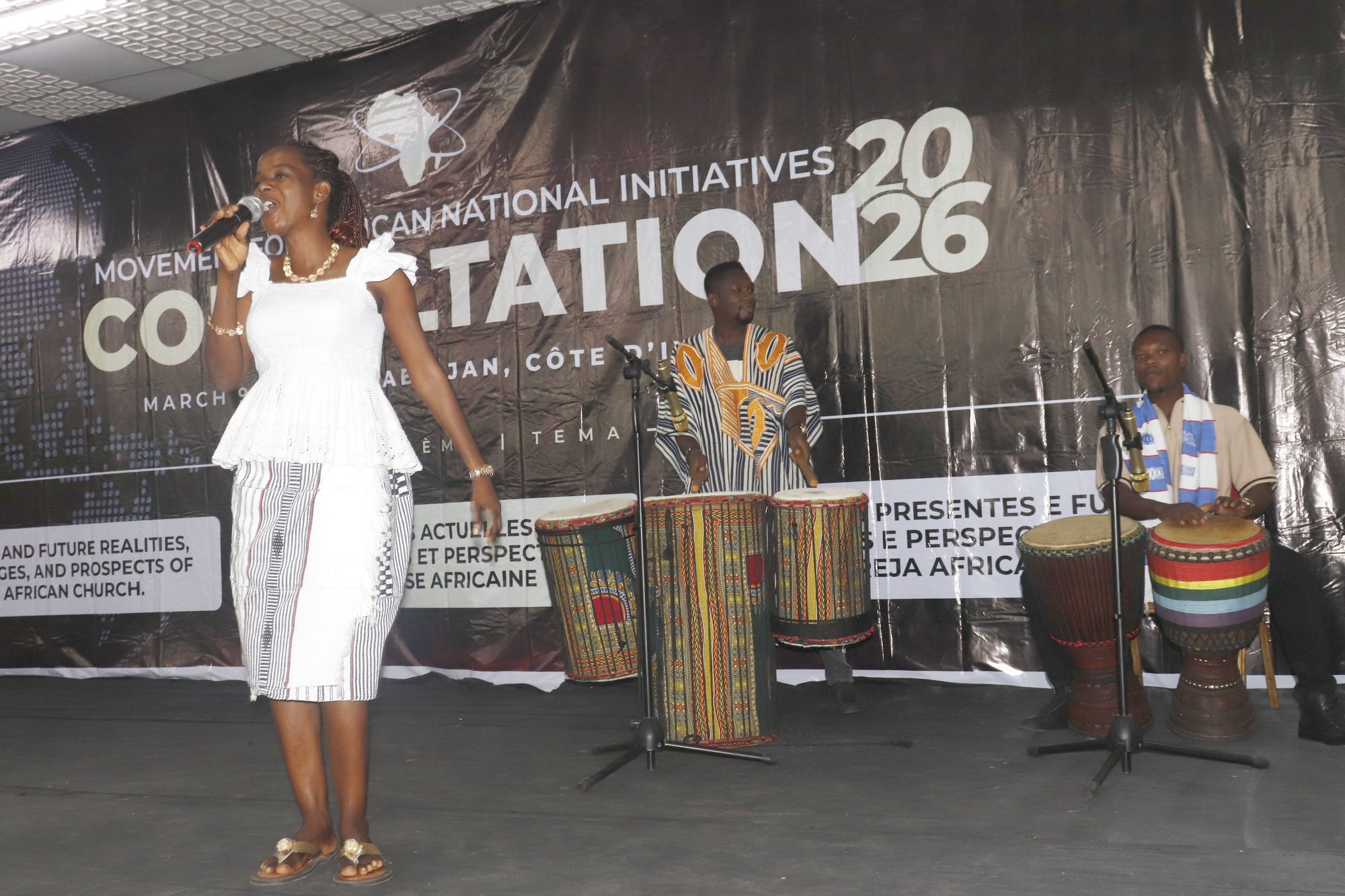
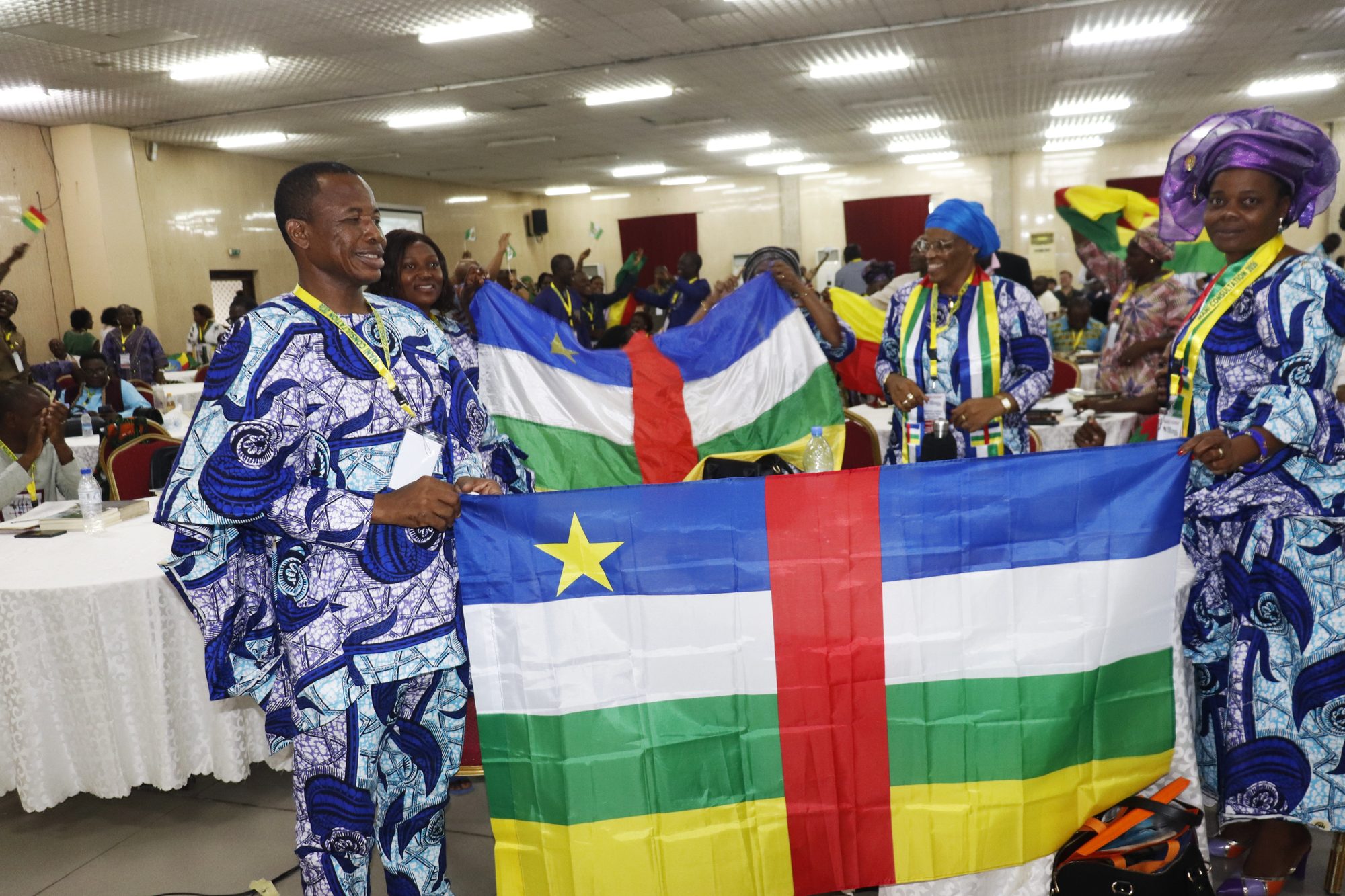
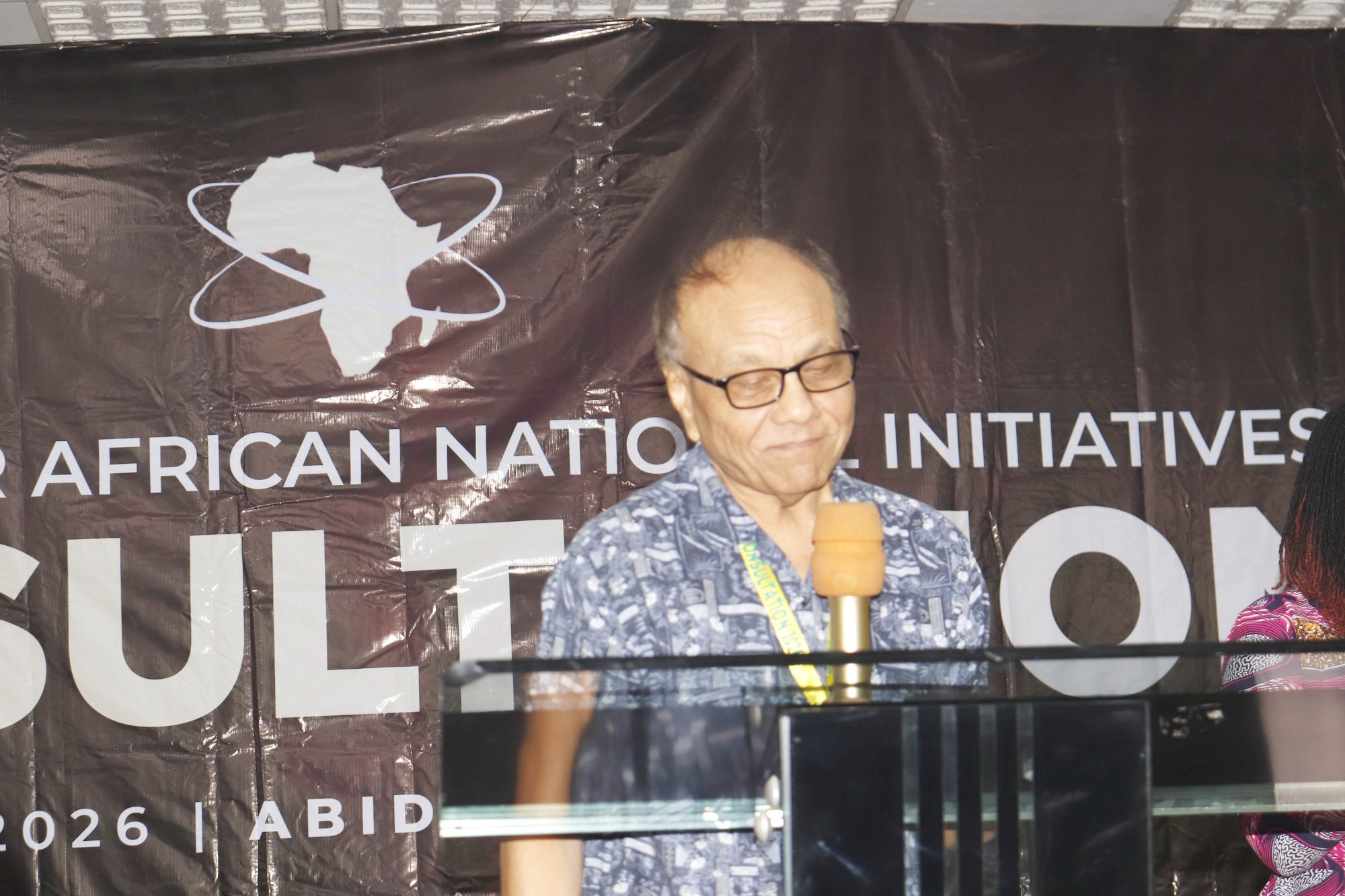
Scenes from Abidjan